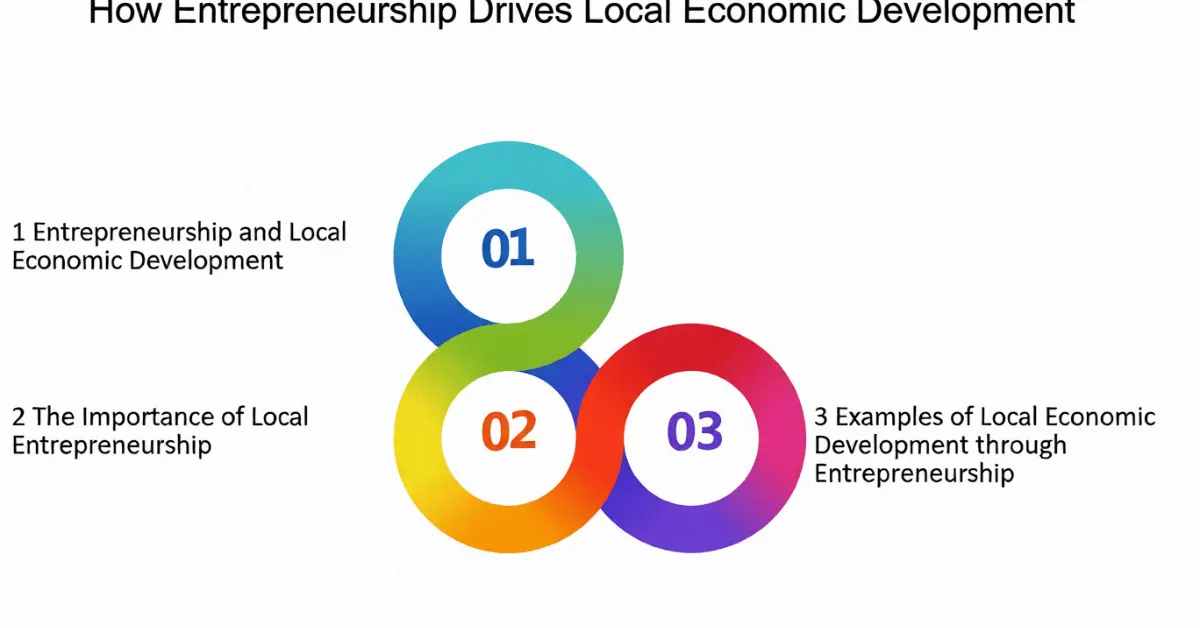
Understanding how entrepreneurs drive economic growth is crucial in today’s dynamic global economy, where innovation, job creation, and market competition fuel prosperity. As of January 2026, entrepreneurs drive economic growth by launching startups, fostering small business growth, and contributing to GDP through groundbreaking ideas and efficient resource allocation. The role of entrepreneurs in the economy extends beyond profit-making; they act as catalysts for entrepreneurship and economic development, generating employment, stimulating investment, and enhancing productivity. This article delves into how entrepreneurs drive economic growth, covering mechanisms like innovation by entrepreneurs, job creation by entrepreneurs, GDP impact of entrepreneurs, the startup ecosystem, economic multipliers from entrepreneurship, challenges, case studies, and emerging 2026 trends such as AI integration and sustainable practices. By addressing underrepresented topics like solopreneur contributions, entrepreneur-led urban transformation, and knowledge-based economic shifts, this guide provides unique perspectives to help outrank standard analyses and empower readers in navigating the entrepreneurship and economic growth landscape.
What Is Entrepreneurship and Its Role in the Economy?
Entrepreneurship involves identifying opportunities, taking risks, and organizing resources to create value through new ventures. The role of entrepreneurs in the economy is multifaceted, serving as innovators who disrupt markets and drive efficiency. In a mixed economy like the U.S., entrepreneurs drive economic growth by bridging private initiative with public support, such as through subsidies and incubators.
Key attributes:
- Risk-taking: Entrepreneurs invest capital despite uncertainties.
- Innovation: They introduce novel products/services.
- Resource mobilization: Efficient use of labor, capital, and technology.
In 2026, with entrepreneurial intent at 33% among U.S. adults—a 94% year-over-year surge—entrepreneurship and economic development are poised for record highs. This boom underscores how entrepreneurs drive economic growth amid lower interest rates and retiring baby boomers.
Primary Mechanisms: How Entrepreneurs Drive Economic Growth Through Innovation and Job Creation
How entrepreneurs drive economic growth primarily occurs via innovation by entrepreneurs and job creation by entrepreneurs. Innovators like those in tech and biotech introduce disruptive technologies, boosting productivity and creating new markets.
Innovation by Entrepreneurs
Innovation by entrepreneurs transforms ideas into scalable solutions, leading to economic multipliers from entrepreneurship. For instance, entrepreneurs shift economies from resource-dependent to knowledge-based models, fostering long-term sustainability. This creates ripple effects: New products attract investments, enhance competitiveness, and increase exports.
Job Creation by Entrepreneurs
Job creation by entrepreneurs is a cornerstone of growth. Startups and young firms account for most net job gains, with surviving startups growing employment by nearly 70% in five years—far outpacing established firms. SMEs, driven by entrepreneurs, create most global jobs and contribute half of world GDP.
Market Competition and Wealth Creation
Increased competition from entrepreneurs challenges incumbents, lowering prices and improving quality. Wealth creation redistributes resources, stimulating consumer spending and investment.
5 Business Leaders Who Credit Socratic Dialogue for Their Success …
GDP Impact of Entrepreneurs: Statistics and Economic Multipliers
The GDP impact of entrepreneurs is profound. In the U.S., 29.8 million solopreneurs contribute $1.7 trillion annually. Globally, entrepreneurship correlates positively with GDP growth, especially innovation-oriented ventures. Economic multipliers from entrepreneurship amplify this: Each new job in a startup can generate 2-3 indirect jobs in supply chains.
2026 projections: With U.S. GDP growth at 2-2.5%, pro-entrepreneur policies could push it to 3%, creating 1.3 million more jobs and $800 billion in output. Small businesses generated $16.5 trillion in revenue in 2025, nearly double large firms’ growth rate.
| Mechanism | GDP Impact | 2026 Statistics |
| Innovation | Boosts productivity 1-2% annually | 58% of leaders introducing new products |
| Job Creation | Reduces unemployment, increases spending | 33% entrepreneurial intent, up 94% YoY |
| Wealth Creation | Enhances investment | Solopreneurs: $1.7T contribution |
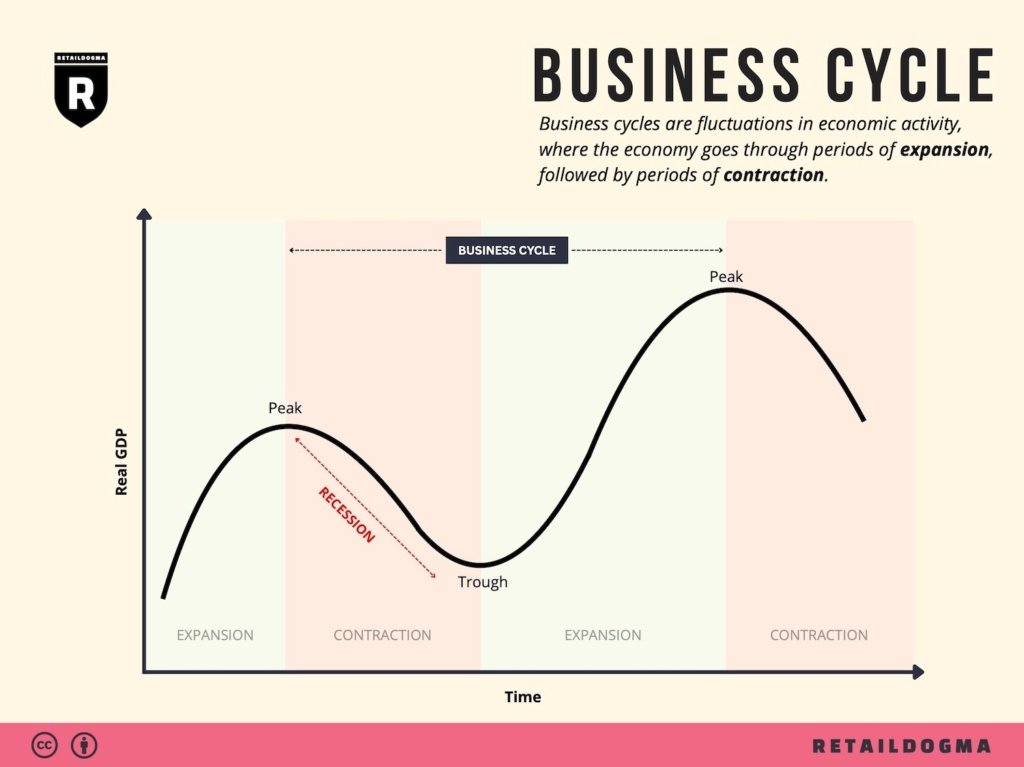
Business Cycle: Definition, Stages & Dating
Unique Ways Entrepreneurs Drive Economic Growth Not Commonly Discussed
Beyond basics, how entrepreneurs drive economic growth includes overlooked channels:
- Entrepreneur-Led Urban Transformation: Cities leveraging entrepreneurs for revitalization—introducing models that attract businesses and foster clusters.
- Shifting to Knowledge Economies: Entrepreneurs prioritize intellectual capital, driving transitions in developing nations.
- Global Economic Trend Buffering: In volatile times, entrepreneurs adapt quickly, mitigating downturns through agile pivots.
- Social Impact Integration: Sustainable entrepreneurship addresses inequalities, creating inclusive growth not captured in traditional metrics.
- Patent and R&D Leadership: High-patent firms, often entrepreneurial, spur 41-70% faster growth.
These nuances highlight the startup ecosystem‘s role in resilient development.
Case Studies: Real-World Examples of Entrepreneurs Driving Economic Growth
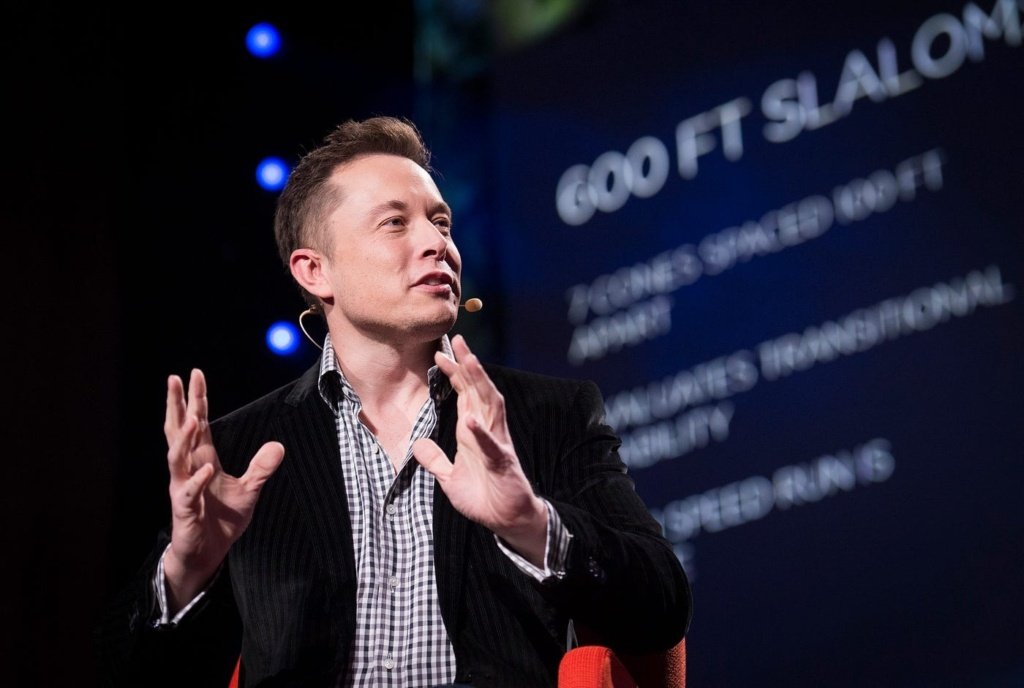
- Elon Musk (Tesla, SpaceX): Through innovation by entrepreneurs, Musk’s ventures added billions to GDP via EV adoption and space tech, creating thousands of jobs.
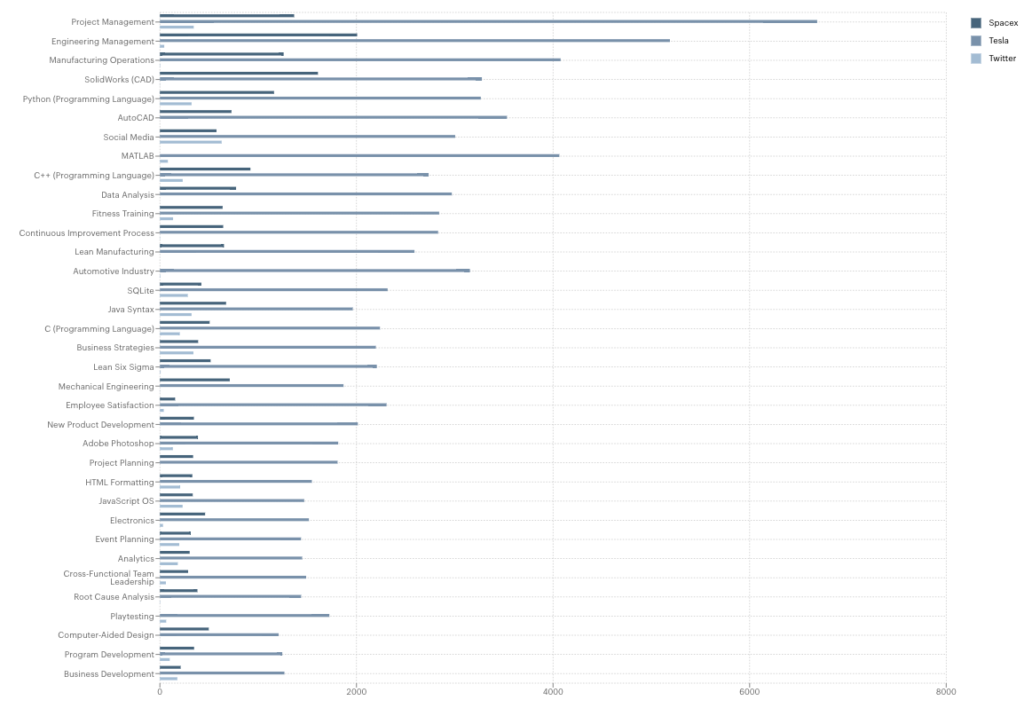
Elon Musk’s Companies: The Business Strategy Driving Innovation
- Kuwait Entrepreneurship Surge: Innovation-focused startups boosted GDP correlation, emphasizing entrepreneurship and economic development.
- U.S. Disruptors (CNBC 50): 2022-2026 case studies show entrepreneurs in AI/healthtech driving 20-30% sector growth.
- Global SMEs: In emerging markets, entrepreneurs reduced unemployment via job creation, per DynEmp data.
These illustrate tangible GDP impact of entrepreneurs.
Challenges Entrepreneurs Face in Driving Economic Growth
Despite benefits, barriers include funding access, regulatory hurdles, and market saturation. In 2026, money barriers persist, but AI tools mitigate by optimizing operations. Solutions: Policy support, mentorship, and inclusive funding.
Future Trends: How Entrepreneurs Will Drive Economic Growth in 2026 and Beyond
In 2026, entrepreneurs drive economic growth via AI adoption (e.g., predictive analytics), sustainability focus, and gig economy expansion. Trends include 49% expecting profit growth, with stagflation risks offset by innovation. Public-private partnerships in tech will amplify the startup ecosystem.
Conclusion: The Enduring Impact of Entrepreneurs on Economic Growth
How entrepreneurs drive economic growth through innovation by entrepreneurs, job creation by entrepreneurs, and beyond positions them as economic engines. In 2026, with booming intent and tech integration, their role of entrepreneurs in the economy will accelerate entrepreneurship and economic development. Embrace these insights for strategic advantage in the evolving landscape.
FAQs on How Entrepreneurs Drive Economic Growth
How do entrepreneurs drive economic growth through innovation?
Innovation by entrepreneurs introduces new technologies, boosting productivity and creating markets, with economic multipliers from entrepreneurship enhancing GDP.
What is the role of job creation by entrepreneurs in the economy?
Job creation by entrepreneurs reduces unemployment and stimulates spending, with startups driving 70% employment growth in early years.
What is the GDP impact of entrepreneurs in 2026?
Entrepreneurs contribute trillions, with solopreneurs at $1.7T and policies potentially adding $800B to U.S. output.
How does the startup ecosystem support economic development?
The startup ecosystem fosters collaboration, funding, and scaling, amplifying entrepreneurship and economic development.
What unique ways do entrepreneurs drive economic growth?
Overlooked methods include urban revitalization, knowledge economy shifts, and social impact integration.
What challenges hinder entrepreneurs in driving economic growth?
Funding, regulations, and volatility; addressed via AI and policy support in 2026.
How will entrepreneurs drive economic growth in the future?
Through AI, sustainability, and partnerships, with 2026 trends showing record entrepreneurial activity.